If you live in London, Ontario, your foundation works harder than you might think. Clay-rich soils swell and shrink, snowmelt crowds footing drains, and heavy summer rainfalls spike the water table. The Thames River winds through the city and its tributaries lace many neighbourhoods, so groundwater pressure can build even when your property sits well above the floodplain. Older homes in Old North and Wortley Village often rest on block or rubble stone foundations. Post-war houses in Glen Cairn, Argyle, and Byron usually have poured concrete or cinder block walls that have seen decades of winter heave. Any of these can crack, bow, or leak under the right conditions.
You do not need to become a structural engineer, but you should know what demands immediate attention. Foundation repair rarely gets cheaper with time, and a wet basement can turn a small fix into a large remediation if you wait. Below I will walk through the signs that point to urgent foundation repair in London, how to interpret them, and what realistic next steps look like. I will also explain where basement waterproofing fits in, because people often confuse waterproofing with structural repair. They are related but not identical.
A city built on clay and history
Southwestern Ontario sits on glacial till and lacustrine clays. In London, that means soil that holds water, swells when saturated, and shrinks during dry spells. The cycle creates lateral pressure on foundation walls, especially block walls with hollow cores. Add freeze-thaw, roughly 80 to 120 cycles each winter depending on the year, and minor cracks can propagate. In older districts like Woodfield, you will find stone foundations laid with lime mortar, which wicks moisture and can shed fines under persistent dampness. In newer subdivisions in the northwest, deeper basements and tighter envelopes can trap humidity, which shows up as efflorescence and mold long before you see a puddle.
Local code also shapes what you see. Ontario homes typically rely on footing drains known as weeping tile. Some older installations used clay tile, many of which have collapsed or clogged. Most London homes have a sump pit, but not all have a sump pump, and far fewer have a battery backup. The Ontario Building Code requires sumps to discharge to the exterior, not into the sanitary sewer, which means a pump failure during a storm can overwhelm a marginal foundation fast.
Understanding this context helps you separate a harmless hairline crack from a warning light on the dashboard.
The red flags that cannot wait
People call me for all kinds of concerns, from musty smells to crumbling mortar. Only a subset demands immediate foundation repair. Some issues are cosmetic or moisture management problems where basement waterproofing will do the heavy lifting. Others involve structure and safety. The trick is to tell them apart.
Here is a concise field checklist I use when I assess a wet basement or suspected structural issue. If you recognize one or more of these, your next call should be to a contractor experienced in foundation repair in London Ontario, not just general renovations.
- Horizontal cracking near mid-height of a block wall, especially with inward bulge. Continuous stair-step cracking along mortar joints that widens toward the center of the wall. Doors or windows on the main floor suddenly sticking, paired with visible wall cracks. Water infiltration at a crack during rain, not just dampness, and the crack is wider than a nickel. Sump pump running constantly with cloudy or silty water, plus fresh efflorescence streaks.
Each deserves a closer look.
Horizontal cracks and wall bowing
In block foundations, horizontal cracks at about one-third to one-half wall height signal lateral soil pressure. When saturated clay presses against the wall, block webs can crack. If the crack is clean and straight, and you can see a measurable inward displacement when you sight down the wall, the wall is starting to bow. Poured concrete can also crack, but block walls lose stiffness sooner.
Measure the displacement. A simple taut string line across the wall, with spacers at each end, will show the maximum inward bow. If you see 6 to 12 mm, you should act soon. Above 12 to 15 mm, you are in the zone where engineered stabilization becomes urgent. In London, I often find older downspouts discharging at the footing, which worsens the pressure with every storm.
Repair options vary. Carbon fiber straps work on stable, lightly bowed walls. They require a competent surface preparation and full-height bonding. For more pronounced bowing or ongoing soil movement, steel I-beams set against the slab and fastened to the floor framing spread the load. Excavation and exterior waterproofing relieve pressure and address water at the source, but they must be designed to avoid undermining the footings. The right choice depends on wall type, bow amount, and your budget. Skipping reinforcement when bowing is present is the mistake I see most. Waterproofing alone will not stop a bowing wall from moving.
Stair-step cracks and differential settlement
Block foundations often show stair-step cracks along mortar joints. Small, stable cracks are common and not always urgent. Widening cracks that step down toward a corner, especially if you see vertical cracks on the adjacent wall and the doors above stick, point to settlement. Soil washout from poor drainage, leaking downspouts, or a failed section of weeping tile can undermine a corner. Tree roots near the footing, particularly from silver maples common in older neighbourhoods, can contribute by drying the soil.
When settlement progresses, you may notice sloped floors or gaps at baseboards. Use simple monitoring. Press crack gauges or even pen marks with dates at both ends of the crack. Measure with a feeler gauge or a stack of paper shims. If the gap grows by more than a millimeter or two over a month, you need a structural assessment. Push pier systems that transfer the footing load to deeper bearing strata can stabilize and sometimes lift. Done right, they prevent further movement and allow you to address the water management that caused the washout. Expect an engineer to specify the pier count and spacing, which in London typically runs 2 to 4 meters apart depending on loads.
Water where it does not belong
A wet basement in London Ontario is such a common phrase that many homeowners shrug and chalk it up to living near a river city. Normal dampness is one thing. Active leaks are another. A dime to nickel width crack that trickles during rain is a prompt for both structural and waterproofing work. Water follows pressure, and cracks open under cycles of wet and dry.
Pay attention to how water appears:
- A line of dampness at the cove joint where the wall meets the slab often signals hydrostatic pressure under the slab, not a wall leak. That points to a clogged weeping tile or an overwhelmed sump. Isolated crack leaks suggest a structural crack in poured concrete or a working joint in a block wall. Injection with polyurethane or epoxy can seal poured concrete cracks. Block walls need different treatment, often including interior drainage to relieve the hollow cores. Seepage across a broad area may trace to surface grading and downspouts. Correcting fall around the home and extending downspouts is cheap insurance, but if the weeping tile has failed, you will still get moisture.
If you find standing water after storms or snowmelt, your first 48 hours matter. Quick action prevents mold growth and protects finishes.
What to do during the first 48 hours of a wet basement
- Shut off power to affected circuits if water is near outlets, then call an electrician as needed. Identify and stop obvious sources: reconnect downspouts, clear window wells, test the sump pump. Document with photos and short videos, including how fast water enters. Insurers and contractors need this. Remove soaked rugs and baseboards immediately and start air movement with fans and a dehumidifier. Book a local foundation specialist who handles both basement waterproofing and structural assessment.
This is triage, not cure. Drying the space does not fix the cause. Still, you will limit secondary damage and gather evidence for smart decisions.
Efflorescence, musty air, and peeling paint
Powdery white deposits on basement walls tell you water is evaporating through the concrete or block. Efflorescence by itself is not a structural emergency. It is a roadmap of moisture paths. If you wipe an area clean and the white bloom returns in a few weeks, you likely have sustained vapor movement. That often ties back to poor drainage, high outdoor humidity in summer, or an undersized dehumidifier. I have seen families running a single small dehumidifier in a 1,000 square foot basement and wondering why relative humidity never drops below 65 percent.
Peeling paint, especially that rubbery, bubbled look from old waterproofing paints, just means the wall is trying to breathe. Interior coatings can hide problems for a season, then fail big. If you smell a persistent earthy odor, check for hidden mold behind finished walls. I have opened many finished basements in London to find blackened fiberboard behind a clean-looking drywall. If your nose says there is a problem, remove a small inspection panel near the floor to see behind finishes before you repaint or recarpet.
Where basement waterproofing fits
Basement waterproofing in London Ontario usually means a combination of surface water management, footing drain correction, and interior measures to collect and pump seepage. Exterior excavation to the footing, new membrane, dimple board, and new weeping tile, plus proper stone backfill and filter fabric, is the gold standard for dealing with wall moisture and lateral pressure. It also lets you patch cracks from the outside and install cleanouts for future maintenance. The downside is cost and disruption, especially in tight side yards in Old South or for homes with attached decks and hardscapes.
Interior drainage systems cut a channel at the slab perimeter, place a perforated pipe in washed stone, and tie into the sump. They capture water at the wall base and relieve hydrostatic pressure under the slab. They can be installed from inside with far less excavation and less disturbance to landscaping. The trade-off is that wall materials outside remain damp, which in freezing weather can still transfer cold and contribute to efflorescence. Interior systems shine when exterior access is limited or when the primary issue is under-slab pressure.
A common misunderstanding is that basement waterproofing alone resolves bowing or settlement. It does not. Think of waterproofing as pressure relief and moisture management. Structural repair - carbon fiber straps, steel beams, underpinning or piers - addresses movement. In many London houses, the correct approach is a two-part plan: stabilize, then waterproof.
Sump pumps, backwater valves, and the London storm pattern
London gets convective summer storms that can drop 25 to 50 mm of rain in an hour. In some pockets, that overwhelms municipal storm systems and raises the groundwater around your home. If your sump pump barely cycles during spring, then runs non-stop every July thunderstorm, you need redundancy. I recommend a primary pump sized for your head height and line length, plus a battery backup pump that can run at least 6 to 8 hours. A water-powered backup is an option if you have municipal water and proper venting, but many homes opt for battery systems because they do not depend on water pressure.
A backwater valve on the sanitary line protects you from sewer backups, not foundation leaks. It belongs on most older London houses that have not been retrofitted. The city has run subsidy programs in the past, so check current offerings. Do not confuse it with sump discharge. The Ontario Building Code does not allow sump water to be pumped into the sanitary system. I still find illegal connections when investigating a wet basement London Ontario homeowners inherited from previous owners. Correcting that might seem like a step backward because the backyard will now see more discharge, but it is the right move for flood prevention and compliance.
Hairline cracks and when to watch instead of fix
Not every crack is a crisis. Poured concrete shrinks as it cures and hairline vertical cracks are normal. If they are dry, narrower than a credit card, and you do not see offset where one side is higher than the other, you can monitor. Mark each end with a pencil and date it. Keep a seasonal log. Many stay unchanged for years.
Temperature swings can also cause surface cracks. If you see crazing near window openings that does not change over time, you can leave it alone. Polyurethane injection is a simple preventive measure for a crack that has leaked once. In block walls, repointing mortar at non-structural hairlines can be a comfort, but it will not keep water out if the issue is pressure.
The judgment call comes when a crack lines up with other symptoms. A vertical crack that intersects a stair-step pattern, or a hairline that seeps with every hard rain, belongs in the fix now category.
Finishes can hide what the structure is telling you
Finished basements complicate diagnosis. Laminate flooring over dimple underlay can mask minor seepage. Baseboards can hide swollen drywall. If you suspect a problem, remove a short run of baseboard and cut a rectangular inspection hole 150 mm above the slab. Use a moisture meter on the studs. If the bottom plate reads above 20 percent moisture content or you see visible mold, you have an https://emiliohgtj035.wpsuo.com/ultimate-guide-to-french-drains-in-london-ontario-stop-yard-flooding-fast ongoing water problem even if the carpet feels dry.

Homeowners sometimes call after painting foundation walls with elastomeric coatings because an online guide promised a quick fix. That only traps moisture in the wall and peels later. If you plan a renovation, bring in a foundation specialist before you frame the new room. It is much cheaper to install a perimeter drain or crack injection before the studs and drywall go up.
Cost ranges you can use for planning
Prices vary by contractor and access, but ranges help set expectations. In London:
- Polyurethane injection for a single vertical crack in poured concrete often lands between 500 and 900 dollars, depending on length and finish conditions. Interior perimeter drainage with sump upgrades for a typical 30 to 45 linear meters of wall might run 6,000 to 12,000 dollars. Add more if the slab is extra thick or there are many obstructions. Full exterior excavation with new membrane and weeping tile can range from 200 to 400 dollars per linear foot, driven by depth, access, and landscaping restoration. Carbon fiber straps for minor bowing could cost 500 to 1,000 dollars per strap, installed, spaced every 4 to 6 feet. Steel beam bracing costs more per beam, usually in the 1,500 to 3,000 dollar range. Helical or push piers for settlement are the widest range. Simple two to four pier stabilizations may start around 8,000 to 15,000 dollars. Larger projects with design input from an engineer can exceed 25,000 dollars.
Use these as planning numbers, not quotes. A reputable contractor will provide a written scope and explain what each line item does and does not address.
Drainage outside is your cheapest prevention
I keep a level and a tape measure in my truck for a reason. Many basements that leak during storms can be helped by grading and downspout changes. You want at least 150 mm of fall in the first 2 meters from the foundation. In clay, more is better. Extend downspouts so they discharge 2 to 3 meters from the house and direct water to a swale or storm-safe area. Clean gutters twice a year. Window wells should have drains that tie into the footing drain or a dry well, not just a bucket of gravel.
Landscaping can cause benign looking problems. Garden beds built up against brick or siding above the foundation trap water. Decorative rock over landscape fabric looks tidy but can hide negative slope. Air conditioner condensate lines should not dump beside the foundation. Move them to a safe discharge point.
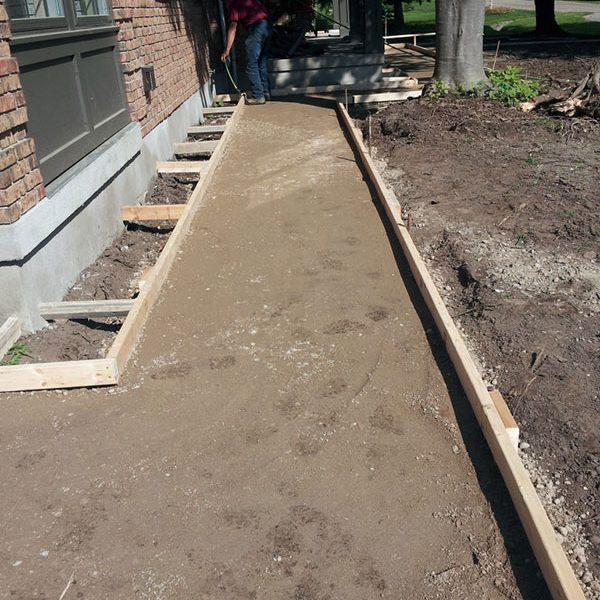
These steps will not cure structural movement or a failed weeping tile, but they reduce incoming water, which lowers pressure on every part of the system. Often, I combine exterior regrading with targeted interior drainage for a cost-effective, low-disruption solution.
How seasons change the picture in London
Spring thaw saturates the ground while the air stays cold. Basements see their highest vapor drive then. Efflorescence streaks bloom, and cold wall surfaces condense indoor humidity. Summer brings short, intense storms and long, humid stretches. Sumps cycle hard, and poorly insulated walls sweat. Autumn gives you the best window for exterior work. Soil is drier but not frozen, and landscapers can restore yards before winter. Winter movement sometimes reveals itself through new cracks as frost lifts soils, especially where drainage is poor and water lingers beside the wall.
I advise homeowners to schedule inspections in late summer or early fall. You will have six months of weather data behind you and time to act. For emergencies, of course, call when you need to.
Choosing the right help in London and what to ask
When you search basement waterproofing London Ontario or foundation repair London Ontario, you will find a long list of companies. Pick one that does both moisture management and structural stabilization. You do not want a crew that only sells one solution. Ask for:
- A moisture map or photo log of findings. A clear explanation of load paths if they propose structural work. Details on how they handle sump discharge, downspouts, and grading as part of the job. Warranty terms that distinguish between seepage and structural movement. References for similar houses in your neighbourhood, not just generic testimonials.
If the house is older with rubble stone, ask if they have experience with lime mortar and interior parging. These foundations cannot be treated exactly like poured concrete. If you have a finished basement, require a plan for dust control and how they will protect or replace finishes. If they recommend exterior work, ask how they will support utilities and whether locates are included. In London, expect utility locates to add lead time.
A few real cases from London streets
On a 1950s block foundation in Argyle, a horizontal crack had opened mid-wall behind a set of old plywood shelves. The homeowner called because the shelves pulled away from the wall. We measured 14 mm of inward bow at the worst point. Downspouts were tied into old clay tile. We installed four steel beams on that 24-foot wall, regraded the side yard, added proper downspout extensions, and scheduled an exterior dig on that side for spring. The beams stabilized the wall immediately. After the dig, new weeping tile and membrane kept the wall dry. The homeowner could finally finish storage without fear.
A Wortley Village stone foundation leaked at two window wells every time it rained. The wells had no drains, and the yard pitched inward. We added drains, tied them to a new interior sump, and cut a short stretch of interior perimeter drain to handle under-slab pressure in that corner. No heavy excavation, and we avoided destabilizing the old stone. The basement stayed dry through the next July storm.
In Oakridge, a poured concrete wall had a single vertical crack leaking into a finished rec room. The homeowner had repainted the area twice. We opened the wall, injected the crack with polyurethane, and installed a backwater valve on the sanitary line based on other risk factors in the neighbourhood. That one-day job stopped the leak for under a thousand dollars. Not every fix is a big one.
When to call, and what you can do today
If you are seeing one of the red flags listed above, call a professional now. Foundation issues do not self-heal. Water makes small cracks bigger. Soil pressure does not let up because you plan to sell next year. If you catch problems early, the scope and cost usually stay on the manageable side.
You can start today with a short inspection:
- Walk the exterior after a rain and watch where water goes. Note low spots and short downspouts. Sight along basement walls for bulges, and run your hand across to feel for steps at cracks. Open a baseboard section in a suspect room, check for staining or mold smell. Test your sump pump by lifting the float. Confirm the discharge point is at least 2 meters from the house. Record humidity in the basement with a cheap hygrometer. Aim for 40 to 50 percent in winter, under 60 percent in summer with dehumidification.
If this quick check raises concerns, bring in a contractor who handles both basement waterproofing and structural foundation repair. Ask for options, not just one prescription. London’s housing stock spans 140 years and at least four dominant foundation types. The right answer respects that variety.
There is peace of mind in knowing your foundation is sound and your basement is dry. Homes around here hold family history and future value. With a clear eye and a bit of urgency when the signs call for it, you can keep both intact.
Ashworth Drainage — Business Info (NAP)
Name: Ashworth DrainageAddress: 514 Hale St, London, ON N5W 1G8
Phone: (519) 660-9375
Website: https://www.ashworthdrainage.ca/
Email: [email protected]
Hours:
Monday: 9:00 AM – 5:00 PM
Tuesday: 9:00 AM – 5:00 PM
Wednesday: 9:00 AM – 5:00 PM
Thursday: 9:00 AM – 5:00 PM
Friday: 9:00 AM – 5:00 PM
Saturday: Closed
Sunday: Closed
Open-location code (Plus Code): XRR3+HV London, Ontario
Map/listing URL: https://maps.app.goo.gl/9kaoXAxRtJRP1ThS9
Embed iframe:
Socials (canonical https URLs):
Facebook: https://www.facebook.com/ashworthdrainage/
X: https://twitter.com/ashworthrules
Instagram: https://www.instagram.com/ashworthdrainage/
https://www.ashworthdrainage.ca/
Ashworth Drainage provides basement waterproofing and foundation repair services in London, Ontario and surrounding areas in Southwestern Ontario.
The company helps homeowners address wet basements, water intrusion, and drainage issues with solutions that fit the property’s conditions.
Service requests can include foundation repair, waterproofing options, sump pump and drainage-related work, and related assessments.
Ashworth Drainage is based at 514 Hale St, London, ON N5W 1G8.
To reach the team, call (519) 660-9375 or email [email protected].
Business hours are Monday to Friday 9:00 AM–5:00 PM, with the office closed Saturday and Sunday.
For directions and listing details, use the map listing: https://maps.app.goo.gl/9kaoXAxRtJRP1ThS9.
Popular Questions About Ashworth Drainage
What does basement waterproofing help prevent?Basement waterproofing is intended to reduce water intrusion and moisture problems that can lead to dampness, leaks, odors, and damage over time.
How do I know if I may need foundation repair?
Common signs can include visible cracks, water seepage, shifting or uneven areas, or recurring moisture problems; an on-site assessment is usually the best way to confirm causes and options.
What areas does Ashworth Drainage serve?
Ashworth Drainage serves London, Ontario and surrounding areas in Southwestern Ontario.
What are Ashworth Drainage’s hours?
Monday–Friday 9:00 AM–5:00 PM; Saturday closed; Sunday closed.
How can I contact Ashworth Drainage?
Phone: +1-519-660-9375
Email: [email protected]
Website: https://www.ashworthdrainage.ca/
Map: https://maps.app.goo.gl/9kaoXAxRtJRP1ThS9
Facebook: https://www.facebook.com/ashworthdrainage/
X: https://twitter.com/ashworthrules
Instagram: https://www.instagram.com/ashworthdrainage/
Landmarks Near London, ON
1) Kiwanis Park2) Western Fair District
3) Covent Garden Market
4) Victoria Park
5) Budweiser Gardens
6) Museum London
7) Fanshawe Conservation Area